Lupine + Macadamia nut

Lupinus, commonly known as lupin or lupine (North America), is a genus of flowering plants in the legume family, Fabaceae. The genus includes over 200 species, with centers of diversity in North and South America. Smaller centers occur in North Africa and the Mediterranean. Seeds of various species of lupins have been used as a food for over 3000 years around the Mediterrranean (Gladstones, 1970) and for as much as 6000 years in the Andean highlands (Uauy et al., 1995), but never have they been accorded the same status as soybeans or dry peas and other pulse crops. The pearl lupin of the Andean highlands of South America, Lupinus mutabilis, known locally as tarwi or chocho, was extensively cultivated, but there seems to have been no conscious genetic improvement other than to select for larger and water-permeable seeds. Users soaked the seed in running water to remove most of the bitter alkaloids and then cooked or toasted the seeds to make them edible (Hill, 1977; Aguilera and Truer, 1978), or else boiled and dried them to make kirku (Uauy et al., 1995). However, Spanish domination led to a change in the eating habits of the indigenous peoples, and only recently has interest in using lupins as a food been renewed (Hill, 1977).
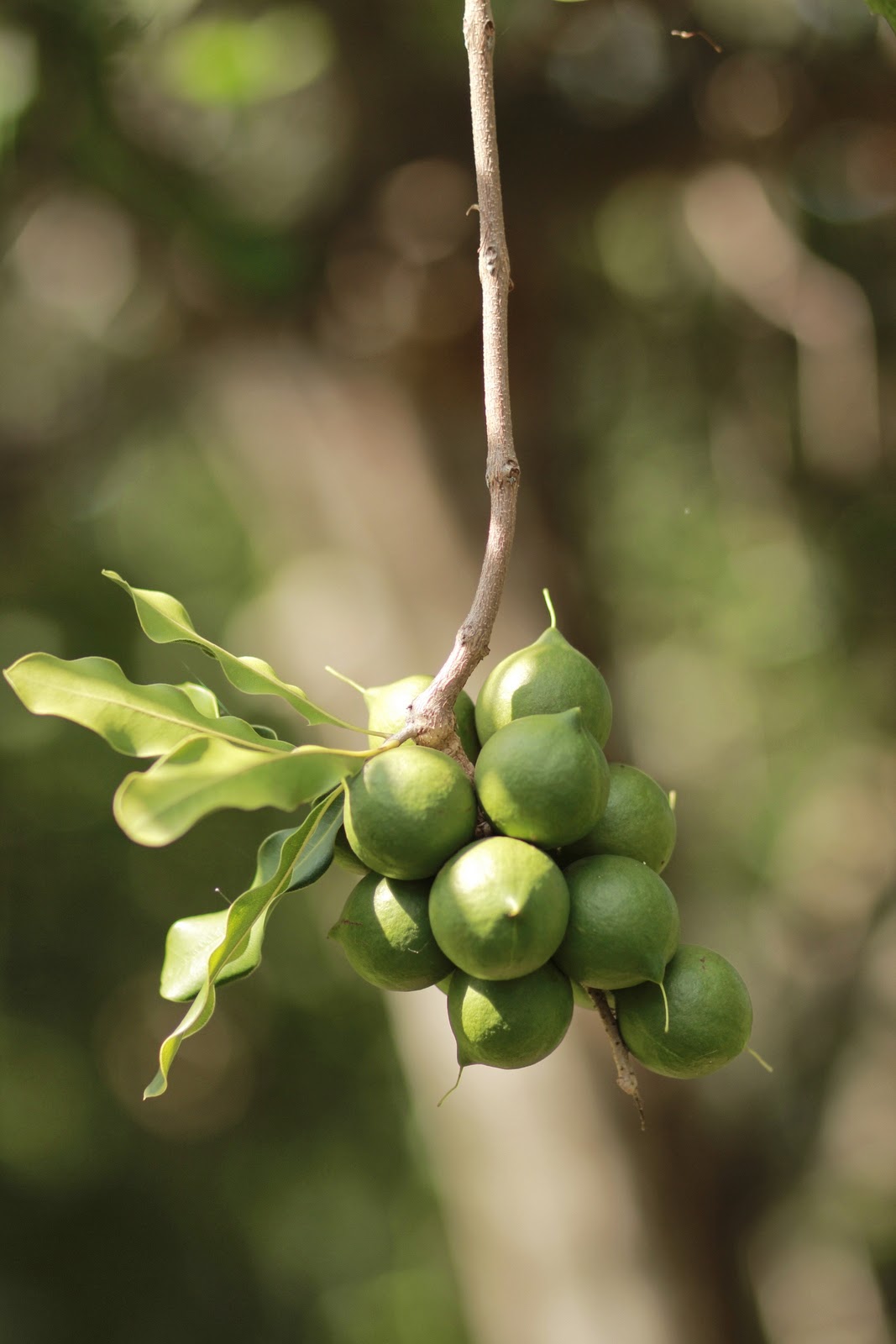
Macadamia is a genus of four species of trees indigenous to Australia and constituting part of the plant family Proteaceae. They grow naturally in north eastern New South Wales and central and south eastern Queensland. Common names include macadamia, macadamia nut, Queensland nut, bush nut, maroochi nut, queen of nuts and bauple nut; and from Indigenous Australians' languages bauple, gyndl, jindilli, and boombera. Previously, more species, with disjunct distributions, were named as members of this genus Macadamia. Genetics and morphological studies more recently published in 2008 by Austin Mast and colleagues show they have separated from this genus Macadamia, correlating less closely than thought from earlier morphological studies.
Shared flavor compounds
These compounds appear in both Lupine and Macadamia nut, giving them a molecular basis for flavor affinity, the pairing principle articulated by Francois Benzi and implemented in flavor-pairing research.
Why it works
The flavor-pairing hypothesis proposes that ingredients sharing significant aromatic compounds harmonize on the palate. Lupine and Macadamia nut overlap on 20 key compound(s), which is why classic culinary traditions, and our deterministic matching algorithm, place them together.
- Pairing computed by: pairing-compute
- Methodology: deterministic compound-overlap matching (no LLM)
- Compound data: Wikidata + Wikidata
- Part of: Living Gastronomic Intelligence graph