Lemon verbena + Purslane
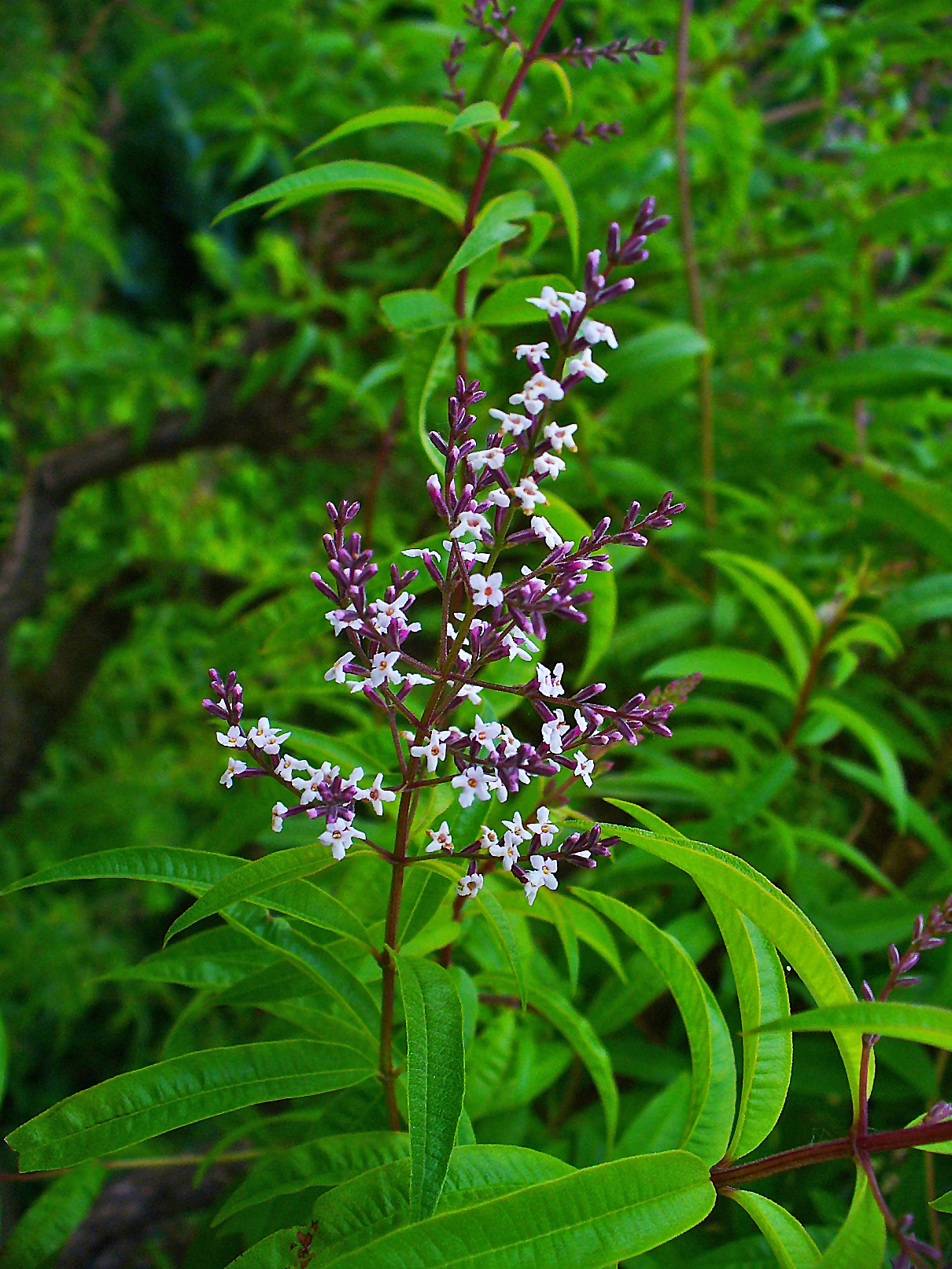
Aloysia citrodora is a species of flowering plant in the verbena family Verbenaceae, native to northwestern Argentina and southern Bolivia. Common names include lemon verbena and lemon beebrush. It was brought to Europe by the Spanish and the Portuguese in the 17th century.
Purslane is a common name for several plants with edible leaves and may refer to: Portulacaceae, a family of succulent flowering plants, and especially: Portulaca oleracea, a species of Portulaca eaten as a vegetable and considered a weed, known as summer purslane Portulaca grandiflora, moss rose, or moss-rose purslane Claytonia perfoliata, Miner's lettuce or winter purslane Claytonia sibirica, pink purslane Halimione portulacoides, sea purslane
Shared flavor compounds
These compounds appear in both Lemon verbena and Purslane, giving them a molecular basis for flavor affinity, the pairing principle articulated by Francois Benzi and implemented in flavor-pairing research.
Why it works
The flavor-pairing hypothesis proposes that ingredients sharing significant aromatic compounds harmonize on the palate. Lemon verbena and Purslane overlap on 20 key compound(s), which is why classic culinary traditions, and our deterministic matching algorithm, place them together.
- Pairing computed by: pairing-compute
- Methodology: deterministic compound-overlap matching (no LLM)
- Compound data: Wikidata + Wikidata
- Part of: Living Gastronomic Intelligence graph
Lemon verbena and Purslane were also scored by an AI model trained on measured flavor compounds. 2 independent model run(s) converged on this affinity estimate.