5,7-dihydroxy-2-phenyl-2,3-dihydrochromen-4-one
Molecular structure
Mass spectrum
A real measured fragmentation pattern · 1 of 288 experimental spectra
Sensory signature
How this molecule tastes and smells · gold is measured, dashed is a model estimate
Bioactivity signal
Structure-activity model estimate · not measured
Foods containing this compound

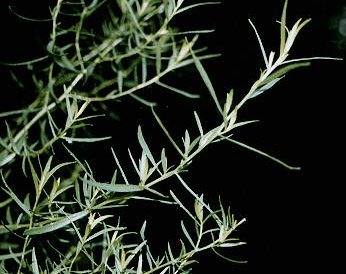
Lippia graveolens, a species of flowering plant in the verbena family, Verbenaceae, is native to the southwestern United States (Texas and southern New Mexico), Mexico, and Central America as far south as Nicaragua. Common names include Mexican oregano, redbrush lippia, orégano Cimmaron, scented lippia, and scented matgrass.

Pine nuts are the edible seeds of pines (family Pinaceae, genus Pinus). About 20 species of pine produce seeds large enough to be worth harvesting; in other pines the seeds are also edible, but are too small to be of great value as a human food.
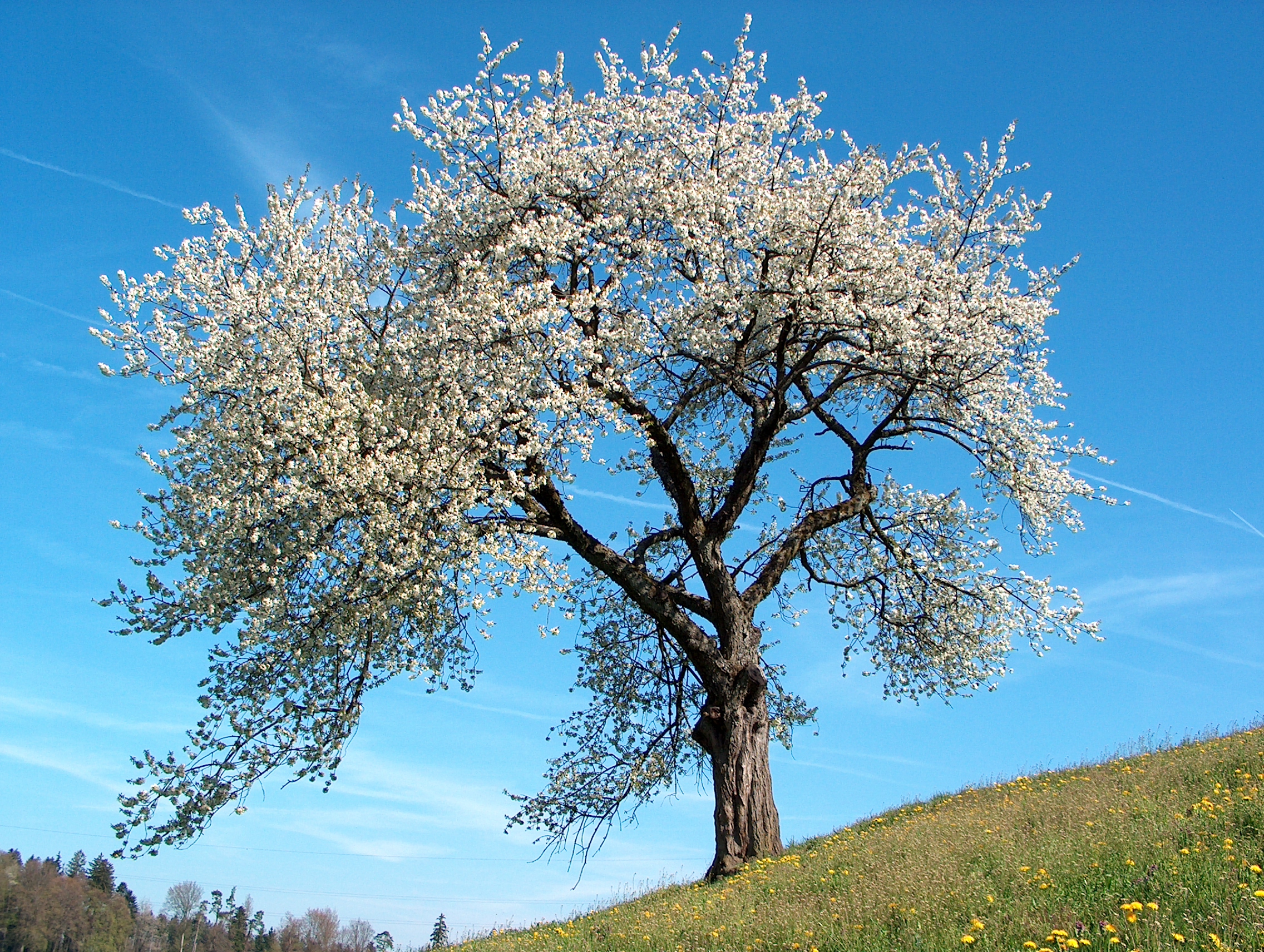
Prunus is a genus of trees and shrubs, which includes the plums, cherries, peaches, nectarines, apricots and almonds. Around 430 species are spread throughout the northern temperate regions of the globe. Many members of the genus are widely cultivated for fruit and ornament. The fruit from this genus are commonly called the stone fruit.
Verified Data
Compound identity and culinary context are continuously cross-referenced across open scientific databases and maintained by Foodgeist's enrichment pipeline.
The Geist can be wrong. Some flavor, taste, and pairing values are model-predicted, not lab-measured.