/ COMPOUND
Bis(methylthio)methane
Molecular ID 15380Formula C3H8S2MW 108.2360 food sources
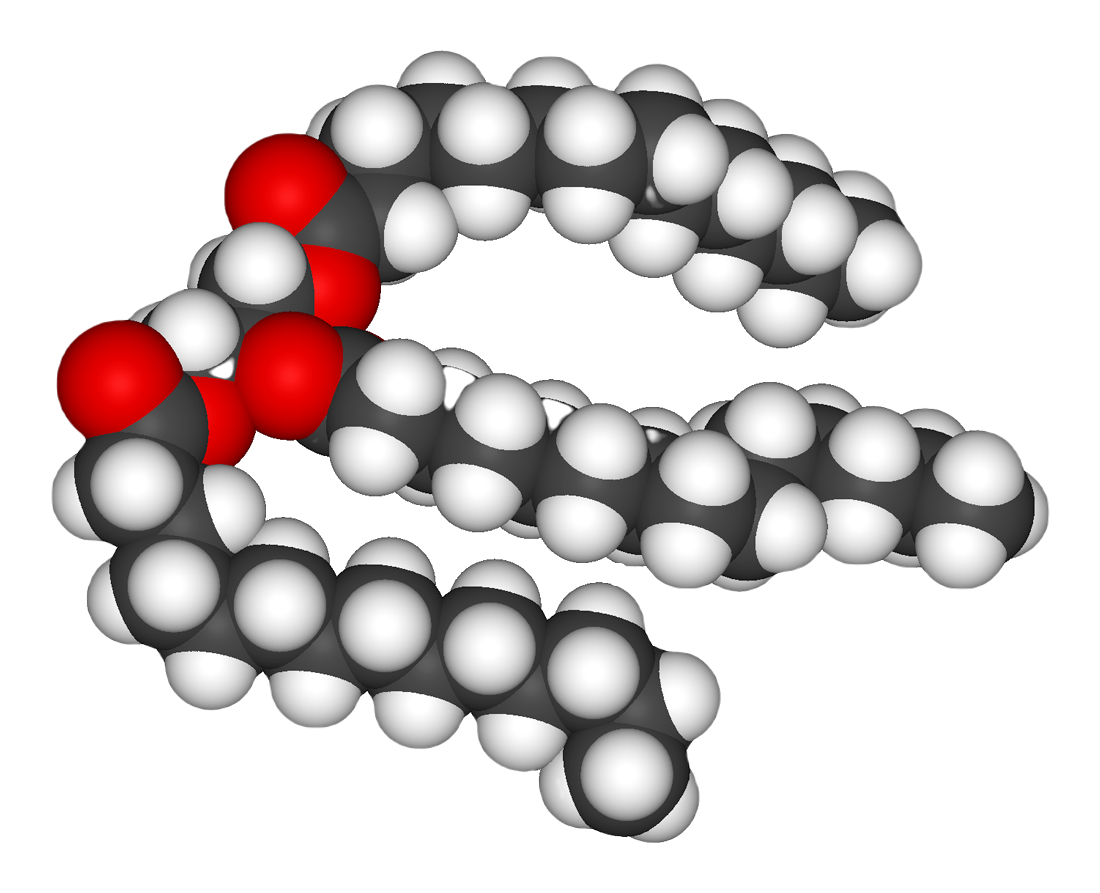
Molecular structure
Sensory signature
How this molecule tastes and smells · gold is measured, dashed is a model estimate
measuredpredicted
foularoma · measureddairyaroma · measuredgreenaroma · measuredmeatyaroma · measuredmintyaroma · measuredonionaroma · measuredsharparoma · measuredspicyaroma · measuredwoodyaroma · measuredcheesearoma · measuredearthyaroma · measuredgarlicaroma · measuredmarshyaroma · measuredradisharoma · measuredsulfuraroma · measured
Bioactivity signal
Structure-activity model estimate · not measured
64%
predicted bioactivity probability
medium confidencelow structural similarity to training set
Receptor binding
Measured in literature · peer-reviewed · how this compound interacts with biological receptors
hOR2M3olfactory (smell)inactivepeer-reviewed
hOR1A1olfactory (smell)inactivepeer-reviewed
hOR2W1olfactory (smell)inactivepeer-reviewed
hOR8D1olfactory (smell)inactivepeer-reviewed
hOR5K1olfactory (smell)inactivepeer-reviewed
hOR5M3olfactory (smell)inactivepeer-reviewed
Foods containing this compound
Beef, lungs, braised
View ingredient ->
Beef, cured, breakfast strips, raw or unheated
View ingredient ->

Beef, tongue, potted or deviled
View ingredient ->
Beef, hip, outside (bottom) round roast, boneless, lean and fat, 3mm (1/8") trim, cooked, roasted
View ingredient ->
Beef, rib, rib eye steak, boneless, lean, cooked, broiled
View ingredient ->
Beef, rib, rib roast with bone, lean, cooked, roasted
View ingredient ->
Beef, loin, tenderloin, steak, lean and fat, 0mm (0") trim, cooked, broiled
View ingredient ->
Beef, loin, top sirloin roast, boneless, lean, raw
Verified Data
Compound identity and culinary context are continuously cross-referenced across open scientific databases and maintained by Foodgeist's enrichment pipeline.
The Geist can be wrong. Some flavor, taste, and pairing values are model-predicted, not lab-measured.